
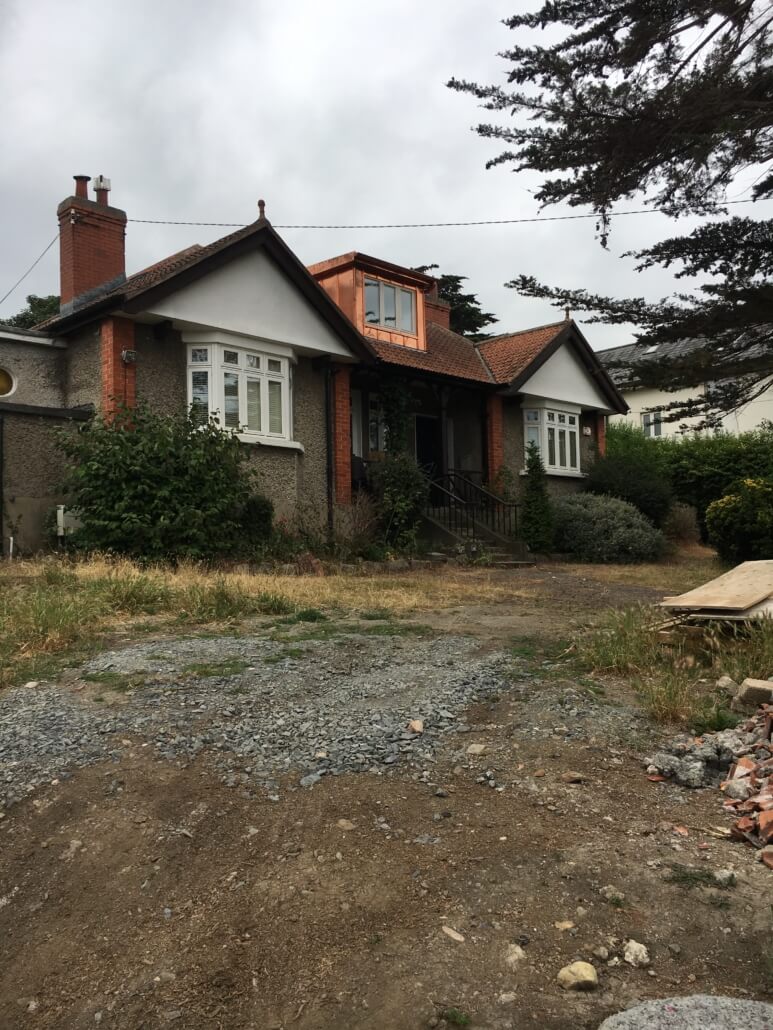
For centuries, copper has been used as a roofing material, and it remains a popular choice today. Its distinctive appearance makes it suitable for historic buildings, while its clean lines and natural finish can also work particularly well with modern and contemporary architecture.
Copper also offers several practical advantages that help explain its continued use across residential, commercial and architectural projects.
If you are considering a material for a new architectural project or the restoration of an older property, copper roofing is certainly worth considering.
A copper roof combines appearance, durability and long term performance, while developing its own character as the material naturally changes over time.
Benefits of Copper Roofing
Long Term Value
The initial cost of copper roofing can be higher than some other roofing materials. However, the purchase price is only one part of the overall cost of a roof.
Copper is known for its long service life and relatively low maintenance requirements. When correctly specified and installed, copper roofs can remain in service for many decades, with examples on churches, public buildings and landmark properties lasting well over a century.
For projects where long term performance matters, this can make copper an attractive option despite the higher initial investment.
Durable
One of copper’s best known characteristics is the natural patina that develops as the material is exposed to the weather.
This surface layer helps protect the copper from corrosion while gradually changing its appearance. The colour can move from the bright finish of newly installed copper through darker brown tones before developing the familiar green patina associated with older copper roofs.
This natural weathering process is one reason copper has been used successfully on exposed buildings for generations.
Copper can also perform well in coastal and exposed locations when the roofing system has been correctly designed and installed. Drainage, fixings, adjoining materials and other roof details still need to be carefully considered.
Light Weight
Copper is relatively lightweight compared with many traditional roofing materials.
This can be useful where reducing the load placed on the supporting structure is an important consideration, including some refurbishment and restoration projects.
Its malleability also allows copper to be formed around curved roofs, dormers, bay windows, junctions and detailed architectural features.
Low Maintenance
Copper roofing generally requires relatively little surface maintenance because it does not need regular painting or finishing.
That makes it particularly useful for roof areas and architectural details that may be difficult to access regularly.
Low maintenance does not mean no maintenance at all. Gutters, outlets, joints, flashings and surrounding roof details should still be checked as part of normal building care.
Natural and Recyclable
Copper is a naturally occurring material and can be recycled repeatedly without losing the properties that make it useful.
Its long service life and ability to be recovered and reused at the end of its life are important considerations when looking at the complete life cycle of a roofing material.
These qualities are also part of the reason copper remains an important option within metal roofing for both traditional and contemporary buildings.
A Distinctive Architectural Finish
One of the main reasons architects and homeowners choose copper is its appearance.
New copper has a bright, distinctive finish, but that appearance changes naturally as the material ages. Rather than remaining visually static, the roof gradually develops a finish that is specific to the building and its environment.
Copper can work alongside stone, brick, timber, glass and rendered finishes, making it suitable for a wide range of architectural styles.
It can be used for complete roofs as well as dormers, bay windows, extensions, entrances, cladding, feature panels, flashings and other visible details.
Copper for Heritage Buildings
Copper has a particularly long association with churches, public buildings and other historic properties.
Where copper already forms part of a heritage roof, careful repair and restoration can help retain both its practical function and its contribution to the character of the building.
We look more closely at this approach in our article on preserving authenticity when restoring historic buildings.
The right approach will depend on the existing roof, the condition of the material and the architectural importance of the building.
Copper Roofing by C&S Roofing
At C&S Roofing, we have experience installing copper roofing and cladding across a range of residential, refurbishment and architectural projects.
Our work includes standing seam copper roofing, dormers, bay windows, feature panels, flashings, cappings and other bespoke details.
You can view examples of our roofing projects to see copper and other roofing systems used across different styles of property.
If you are considering copper roofing or cladding for an upcoming project, get in touch with C&S Roofing to discuss the options available.